
10 Tips to Prevent E-commerce Payment Fraud
E-commerce payment fraud is a growing issue, with U.S. businesses losing $41 billion in 2023 and projected to lose $48 billion by 2025. To protect your online store, you need a multi-layered approach to security. Here are 10 key strategies to minimize fraud and safeguard your business: Enable Multi-Factor Authentication (MFA): Add extra verification steps […]
How to Design Scalable Payment Microservices

Building scalable payment microservices is key to handling high transaction volumes while ensuring reliability and security. Here’s what you need to know: Break down payment workflows into smaller, independent services like transaction processing, fraud detection, and settlement. Scalability is critical: Systems must handle peak loads during events like Black Friday, where transactions can reach millions […]
5 Ways to Prevent Fraud in Cross-Border Payments
Cross-border payments are a prime target for fraud due to their complexity and speed. In 2023, e-commerce fraud cost businesses over $48 billion, with cross-border transactions being particularly vulnerable. Fraud can lead to chargebacks, fines, and loss of customer trust. However, businesses can reduce fraud risks by up to 50% using these five strategies: Layer […]
Cryptocurrency Payments: Opportunities and Risks for Businesses

Cryptocurrency payments are reshaping how businesses handle transactions, offering lower fees, faster processing, and global reach. For companies in the U.S., this payment method can reduce costs, eliminate banking hurdles, and attract tech-savvy customers. However, risks like price volatility, regulatory challenges, and security concerns require careful planning. Here’s a quick look at the key points: […]
Payment Trends in E-Commerce: What’s Driving Customer Loyalty?
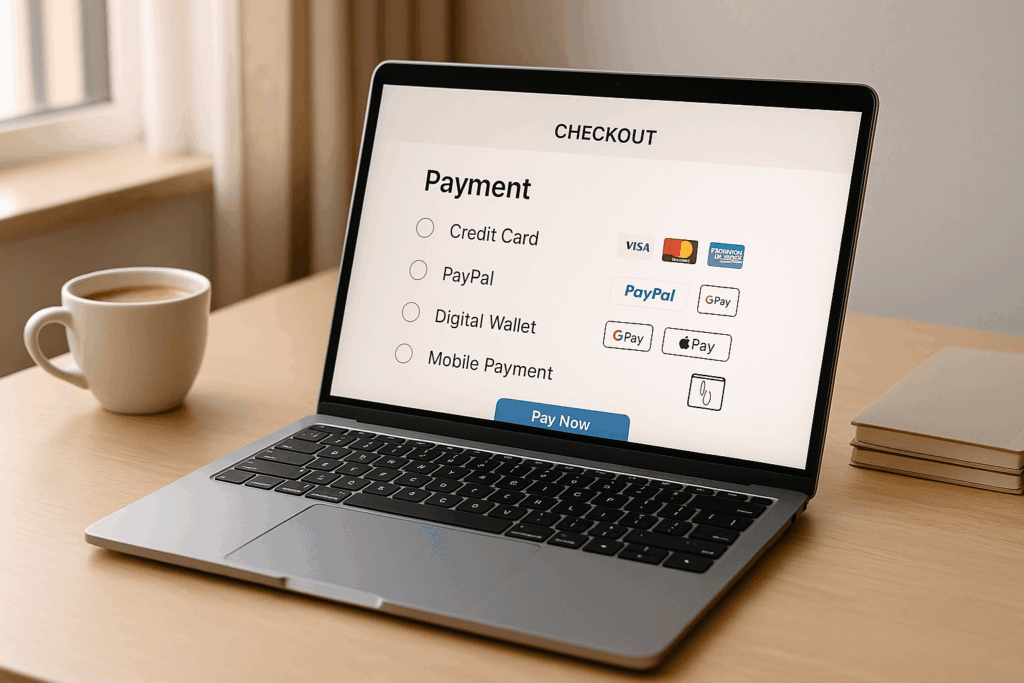
In e-commerce, payment methods play a major role in customer loyalty. A smooth, secure checkout ensures repeat business, while clunky processes drive shoppers away. Here’s what matters most: Frictionless Checkout: Features like one-click payments, digital wallets (e.g., Apple Pay), and guest checkout minimize cart abandonment. Flexible Payment Options: Younger shoppers prefer Buy Now, Pay Later […]
The Rise of Buy Now, Pay Later: Should Your Business Offer It?

Buy Now, Pay Later (BNPL) is transforming how people shop, letting customers split payments into smaller, interest-free installments. This payment option is growing fast across the U.S., appealing to younger generations and beyond. Businesses offering BNPL often see higher sales, bigger order sizes, and improved customer satisfaction. However, it comes with challenges like fees, complex […]
Understanding Transaction Fees and Hidden Costs in Payment Processing
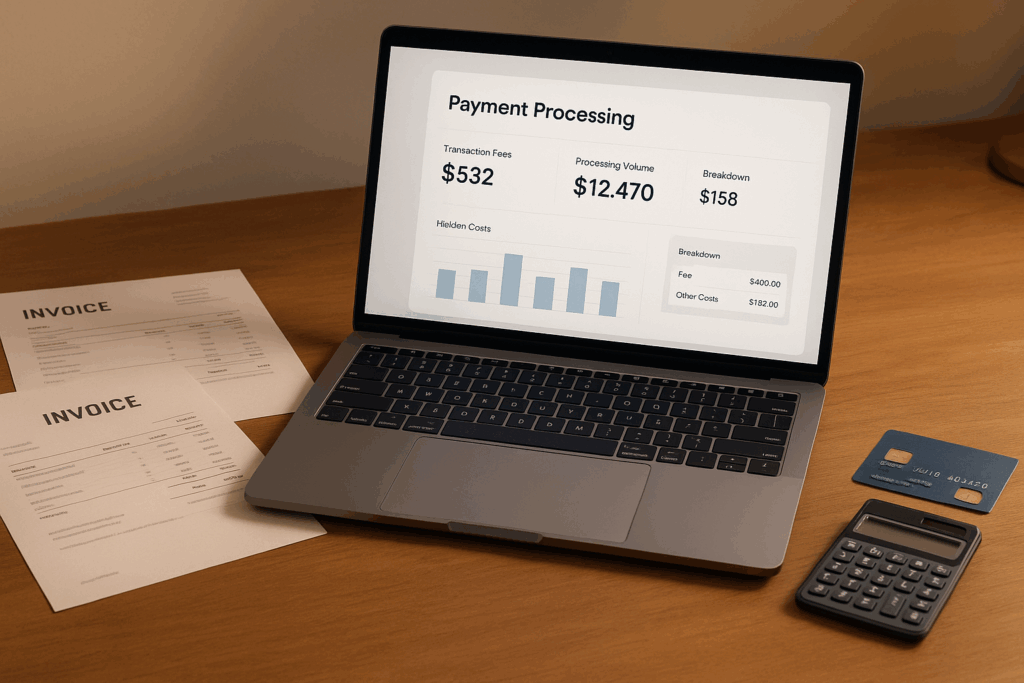
Every electronic payment you process comes with fees – some obvious, others not so much. These charges can significantly impact your bottom line if you’re not careful. Here’s what you need to know: Transaction Fees: Typically, 2.9% + $0.30 per transaction, combining a percentage of the sale and a flat fee. Interchange Fees: Set by […]
Integrating Payment Solutions With Accounting Software: Tips & Tricks

Integrating payment systems with accounting software simplifies financial management by automating data entry, reducing errors, and saving time. It ensures real-time updates, accurate records, and compliance with U.S. financial standards like tax tracking and reporting formats. For small and medium-sized businesses, this connection reduces manual tasks, improves cash flow visibility, and supports efficient decision-making. Key […]
How to Audit Your Payment System for Security Gaps
Auditing your payment system is critical for protecting sensitive data, meeting compliance standards, and maintaining customer trust. Without regular audits, vulnerabilities can lead to data breaches, financial losses, and regulatory penalties. Here’s a quick summary of what you need to know: Compliance Standards: Follow key frameworks like PCI DSS, SOC 2, and GLBA to secure […]
Step-by-Step Guide to Implementing Secure Online Payments
Secure online payments are essential for protecting customer data and building trust in your business. Here’s a quick breakdown of how to implement them effectively: Choose a Secure Payment Gateway: Look for features like PCI DSS compliance, fraud prevention tools, and tokenization. Ensure it integrates smoothly with your platform. Encrypt Customer Data: Install TLS/SSL certificates […]
