
Checklist for Choosing Fraud Prevention APIs
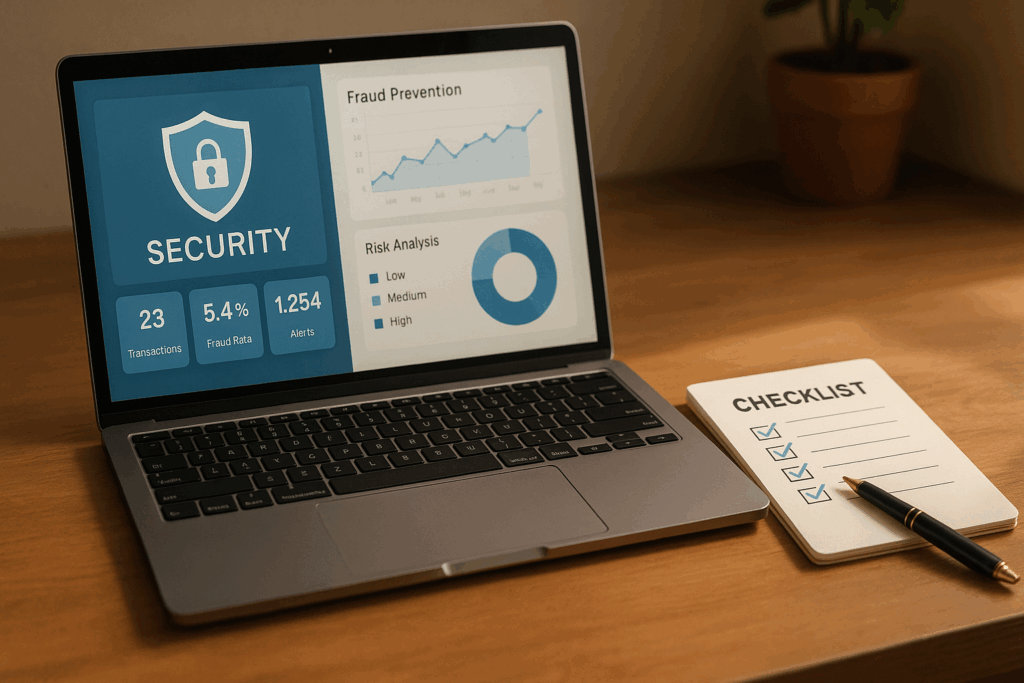
Fraud prevention APIs are vital for protecting your business from financial losses, chargebacks, and reputational harm caused by fraudulent transactions. Here’s a quick guide to help you pick the right one: Understand Your Business Needs: Identify your payment methods, transaction types, volumes, and industry-specific risks. Consider compliance requirements like PCI DSS or SOC 2. Evaluate […]
Choosing the Right Payment Processor for Your Business Size and Type

Choosing the right payment processor is essential for smooth transactions, cost management, and security. Your business’s size and industry play a big role in deciding the best fit. Here’s what you need to know: Small businesses benefit from simple, fixed-rate pricing and easy-to-use tools like mobile card readers or all-in-one platforms for e-commerce. Medium-sized businesses […]
How Tokenization Protects Cross-Border Payment Data

Tokenization replaces sensitive payment information, like credit card numbers, with meaningless tokens, ensuring data security during cross-border transactions. Unlike encryption, tokens have no mathematical link to the original data, making them useless if intercepted. Cross-border payments face risks due to multiple intermediaries, varying regulations, and currency conversion. Tokenization mitigates these by securely storing sensitive data […]
Fraud Prevention Strategies for E-Commerce

Online fraud is a growing threat to e-commerce businesses, especially in industries handling high-value or international transactions. Fraudsters exploit vulnerabilities in payment systems, leading to financial losses, operational disruptions, and damaged reputations. Here’s what you need to know: Common Fraud Types: Chargeback fraud, friendly fraud, account takeovers, card-not-present fraud, and identity theft. Impact on High-Risk […]
How Transaction Monitoring Reduces Fraud for High-Risk Merchants

Fraud is a major challenge for high-risk merchants, but transaction monitoring can help minimize it. By analyzing payment activity in real time, these systems detect suspicious behavior before transactions are processed. Industries like e-commerce, gambling, and travel face higher fraud risks due to large transactions, international sales, and recurring payments. Transaction monitoring offers tools like […]
QR Code Payment Compliance Checklist for Merchants
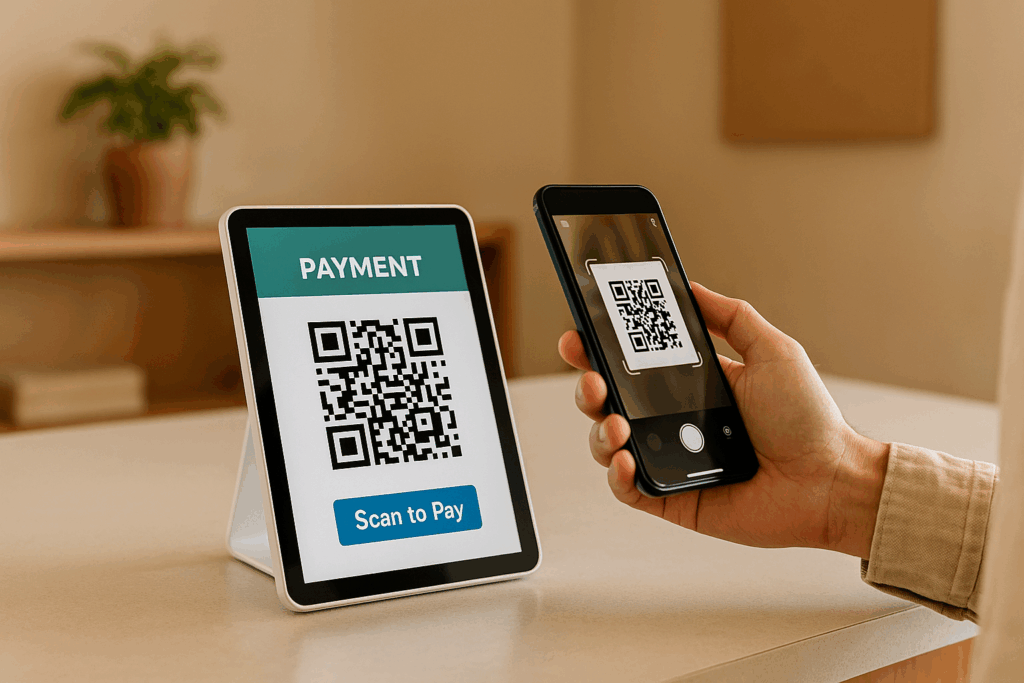
Want to accept QR code payments securely and legally? Here’s what you need to know: QR code payments are growing fast in the U.S., but setting up a compliant system isn’t as simple as displaying a code. You must follow strict security standards like PCI DSS and technical frameworks like EMVCo QR Code Specifications to […]
7 Hidden Fees in Merchant Contracts

Hidden fees in merchant contracts can cost you hundreds or even thousands of dollars annually if you’re not careful. These fees are often buried in fine print or disguised under vague terms, making them hard to spot. Here’s a quick rundown of the most common hidden fees and how they impact your bottom line: Monthly […]
5 Strategies to Manage Exchange Rate Risks

Exchange rate risks can significantly impact your business, especially if you deal with multiple currencies. Here’s how to protect your profits: Forward Contracts: Lock in today’s exchange rate for future transactions, ensuring predictable costs. Currency Options: Pay a premium to secure the right (but not the obligation) to exchange currency at a set rate, offering […]
Real-Time Fraud Prevention for High-Risk Merchants
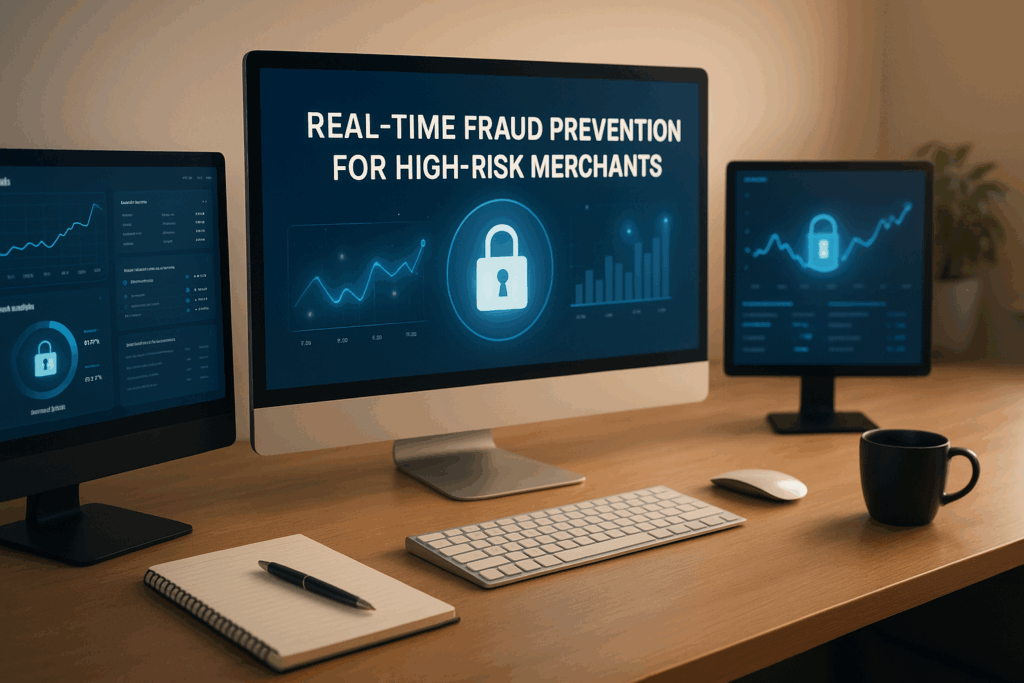
Real-time fraud prevention is critical for businesses in high-risk industries like gaming, online pharmaceuticals, and subscription services. These merchants often face higher fees, strict compliance rules, and increased fraud risks. Fraud types such as card-not-present (CNP) fraud, chargeback fraud, and account takeovers can lead to significant financial losses, with U.S. e-commerce fraud projected to exceed […]
High-Risk vs. Low-Risk Merchant Accounts
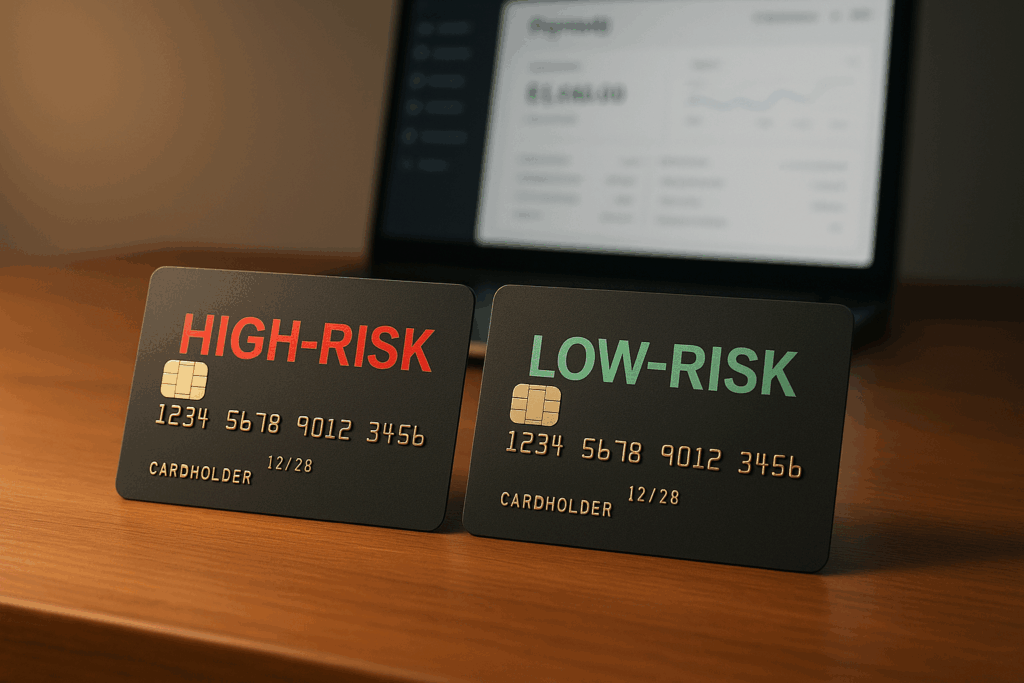
High-Risk vs. Low-Risk Merchant Accounts Merchant accounts enable businesses to accept electronic payments, like credit cards. These accounts are classified as high-risk or low-risk, depending on factors like industry type, fraud potential, and transaction volume. This classification impacts fees, approval processes, and account terms. Key Differences: Low-Risk Accounts: Lower fees (1.5%-3%), minimal restrictions, and faster […]
