Buy Now, Pay Later (BNPL) is transforming how people shop, letting customers split payments into smaller, interest-free installments. This payment option is growing fast across the U.S., appealing to younger generations and beyond. Businesses offering BNPL often see higher sales, bigger order sizes, and improved customer satisfaction. However, it comes with challenges like fees, complex refunds, and increased customer service needs.
Key Takeaways:
- How BNPL Works: Customers pay in installments while businesses get paid upfront (minus fees).
- Benefits for Businesses: Boosts checkout conversions, attracts younger shoppers, and increases order sizes.
- Risks to Consider: Fees cut into profits, returns are more complex, and compliance requirements are evolving.
- Is It Right for You? Works best for higher-priced, discretionary products and businesses with younger customer bases.
Think about your audience, industry, and cash flow before deciding if BNPL fits your business goals.
What Is Buy Now, Pay Later (BNPL)?
Buy Now, Pay Later (BNPL) is a payment option that lets shoppers make purchases right away and pay for them over time through smaller, scheduled installments. It’s a way to split the cost of an item into manageable payments while enjoying the product immediately. Let’s take a closer look at how BNPL works, its growing popularity in the U.S., and why it’s so appealing to consumers.
How BNPL Works
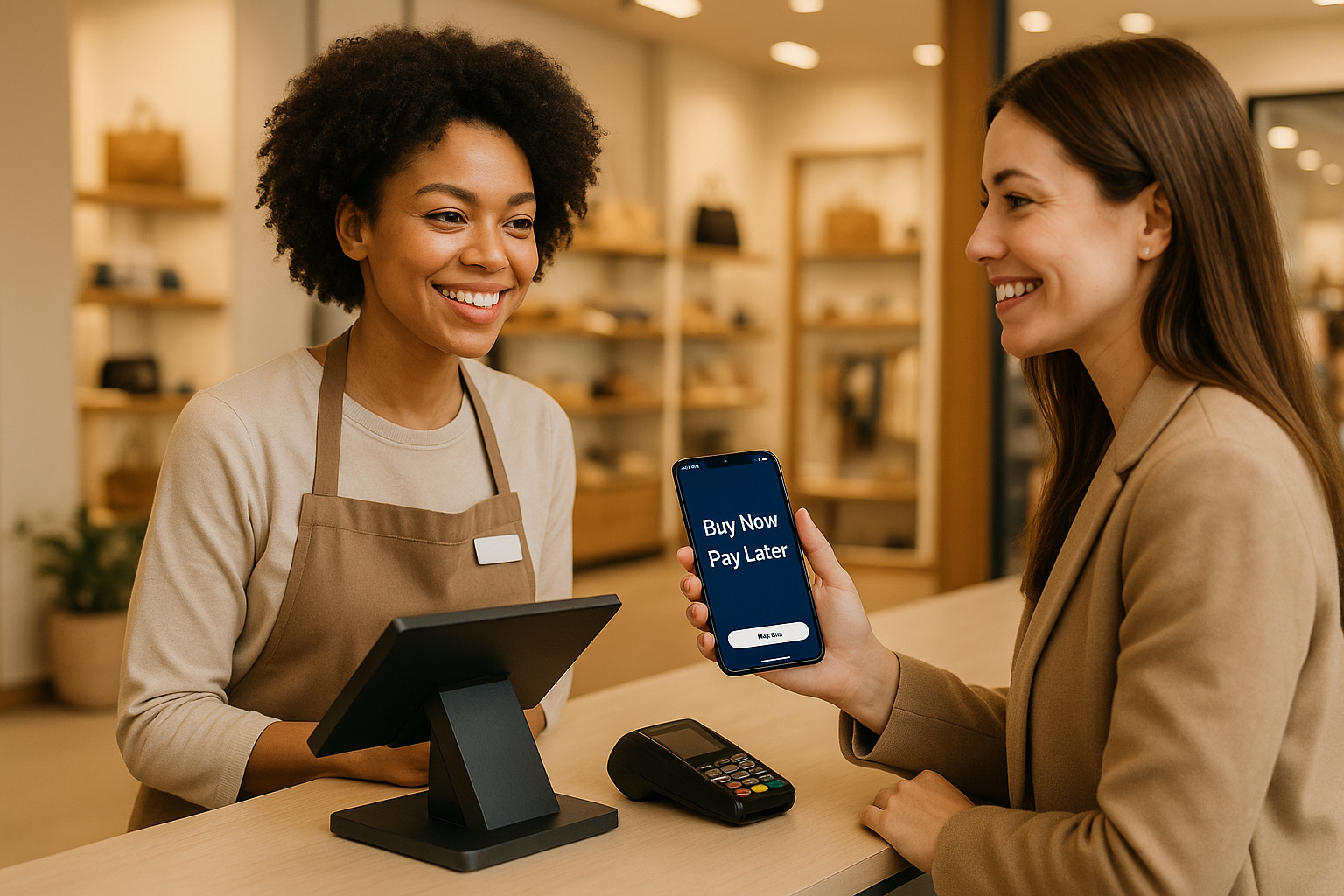
Using BNPL is simple and quick. Whether shopping online or in-store, customers can select BNPL at checkout. The total cost is divided into equal payments, typically starting with an upfront payment at the time of purchase, followed by automatic deductions for future installments based on a set schedule.
Most BNPL providers conduct a "preliminary credit check" during the approval process. This is a fast review of basic financial details, like income and spending habits, and it doesn’t impact the customer’s credit score. This makes BNPL accessible even to those who might not qualify for traditional credit products.
Once approved, customers can take their purchase home immediately, while the merchant receives full payment upfront. To help users stay on track, BNPL providers usually offer apps or websites where customers can monitor their payment schedule and receive reminders about upcoming payments.
BNPL Growth in the U.S.
The BNPL market has seen rapid growth in the U.S. over the past few years, becoming a popular payment method for many consumers. A growing number of shoppers have tried BNPL services, with many returning to use them again. These transactions span a variety of industries.
Analysts predict this growth will continue as more consumers adopt BNPL and as merchants across different sectors integrate it into their payment options. Retail categories like fashion, electronics, home goods, and beauty have especially embraced BNPL, driving much of its expansion. While younger generations were the first to jump on board, people of all ages are now discovering the flexibility and convenience it offers.
Why Consumers Choose BNPL
There are several reasons why consumers are drawn to BNPL. For one, it offers predictable payments, helping people manage their budgets without worrying about fluctuating interest rates or minimum payments like those associated with credit cards.
It’s also handy for making purchases when funds are tight – whether it’s snagging a great deal, covering a seasonal expense, or dealing with an unexpected cost. The ability to buy now and pay later can make a big difference in these situations.
The clear, straightforward payment terms are another major draw. Many shoppers appreciate the transparency and simplicity, especially when compared to more complex credit options. For those who don’t qualify for traditional credit or want to avoid tapping into their existing credit lines, BNPL provides an accessible and practical alternative.
Why Businesses Are Adding BNPL
As Buy Now, Pay Later (BNPL) continues to grow in popularity, businesses are recognizing its potential to boost both sales and customer satisfaction. By offering BNPL, companies align with changing consumer expectations and tap into opportunities to improve conversion rates and revenue. From increasing order values to attracting younger shoppers, the advantages of BNPL are becoming hard to ignore.
Higher Conversion Rates and Bigger Orders
BNPL helps reduce hesitation at checkout by breaking down payments into smaller, more manageable installments. According to research, 11% of online shoppers abandon their carts because retailers fail to provide diverse payment options. That’s a significant slice of potential revenue lost simply due to limited flexibility.
By eliminating the hurdle of a large upfront payment, BNPL encourages customers to make larger purchases or even upgrade to premium products. This approach not only increases average order values but also builds loyalty – 45% of BNPL users make repeat purchases with the same retailer within six months.
Connecting with Younger Shoppers
Younger consumers are especially drawn to BNPL. Globally, 45% of BNPL users are from Gen Z and Gen X, with Millennials making up another 40%. These groups prefer payment options that are straightforward and avoid the traditional credit system’s complexities. For businesses looking to attract and retain these demographics, offering BNPL can be a key differentiator.
The appeal goes beyond just one-time sales. BNPL helps businesses foster relationships with younger shoppers who value flexibility and transparency in their financial decisions.
Gaining an Edge Over Competitors
In today’s retail landscape, offering flexible payment options is no longer a perk – it’s an expectation. BNPL not only makes larger purchases more accessible but also enhances the overall shopping experience. This is crucial, as 32% of consumers say payment options influence their long-term shopping preferences.
BNPL has transitioned from being a niche offering to a must-have for many retailers. With 70% of consumers now considering flexible payment options a critical factor when choosing where to shop online, businesses that adopt BNPL can stand out in a crowded market. Additionally, partnering with BNPL providers often comes with an added bonus: increased visibility. Many BNPL platforms promote their retail partners through their own marketing efforts, helping to build trust and strengthen customer relationships. Shoppers increasingly value brands that offer control and transparency, making BNPL a smart move for businesses aiming to stay competitive.
BNPL Benefits and Risks for Businesses
Understanding how Buy Now, Pay Later (BNPL) impacts your business is essential for aligning it with your overall goals. While BNPL offers enticing advantages, it’s equally important to weigh the potential downsides. Like any payment method, BNPL introduces both opportunities and challenges that can influence your cash flow, operations, and customer relationships.
Business Benefits
Steady Cash Flow:
With BNPL, providers pay merchants upfront (minus a fee), ensuring you get your money immediately, even though customers pay in installments. This can help stabilize cash flow.
Marketing and Customer Reach:
Some BNPL platforms actively promote their merchant partners through their apps and marketing channels, giving your business additional exposure to a broader audience.
While these benefits can be appealing, they come with a set of challenges that businesses need to consider.
Risks and Challenges
Transaction Fees:
BNPL providers charge fees for each transaction, which can cut into profits – especially for items with low margins.
Complicated Returns and Refunds:
Handling returns gets trickier with BNPL. Adjusting partial payments requires coordination with the BNPL provider, adding an extra layer of complexity.
Increased Customer Support Needs:
Customers may have questions about their payment schedules or account issues, which could lead to more inquiries for your customer service team to handle.
Customer Financial Strain:
There’s a risk that customers using multiple BNPL services might overextend themselves financially, potentially affecting their ability to make future purchases with your business.
Compliance and Regulation:
As BNPL regulations continue to evolve, businesses may need to adapt to new compliance requirements, which could mean additional administrative work.
Benefits vs. Risks Comparison
Here’s a quick comparison to help you weigh the pros and cons:
| Benefits | Risks |
|---|---|
| Higher conversion rates and larger order sizes | Fees that reduce profit margins |
| Immediate payments improve cash flow | Complicated return and refund processes |
| Lower credit risk for the business | Increased customer service demands |
| Boosted customer satisfaction | Potential regulatory changes |
| Greater marketing exposure | More administrative tasks |
| Predictable cash flow | Risk of customer overextension |
Ultimately, whether BNPL is a good fit depends on your business model, target audience, and risk tolerance. Businesses with strong profit margins or a younger customer base may find the advantages outweigh the downsides. Careful evaluation of these factors will help you determine if BNPL aligns with your operational needs and long-term goals.
sbb-itb-8c45743
What to Consider Before Adding BNPL
When deciding whether to implement Buy Now, Pay Later (BNPL), focus on customer behavior, operational readiness, and financial implications – not just industry trends.
Know Your Customer Base
BNPL tends to resonate most with Millennials and Gen Z shoppers. But if your audience leans toward more traditional payment methods, the benefits may not be as impactful.
Start by analyzing your payment data. Look for signs like high cart abandonment rates or frequent customer inquiries about flexible payment options – these could indicate demand for BNPL. Keep in mind that BNPL works best for higher-priced, non-essential items. Products like fashion, electronics, and home goods often fit well with this model because they’re discretionary purchases. On the flip side, essentials like groceries or utilities may not see much benefit from installment payments.
Ultimately, your decision should align with your customers’ purchasing habits and the types of products you sell.
Check Your Industry Fit
Certain industries see more success with BNPL than others. Retail segments like fashion, electronics, and home goods often experience a noticeable boost in conversions when BNPL is offered.
For service-based businesses, it’s a bit more complex. While BNPL can work for high-ticket services like home renovations or dental procedures, it introduces challenges. For instance, you may need to deliver the service while payments are still being collected, which requires carefully structured agreements to manage financial risk.
B2B businesses should tread carefully as well. Most BNPL providers cater to consumer transactions, so traditional invoicing or credit terms might remain a better fit for business buyers. Assess whether BNPL aligns with your industry and your customers’ expectations before leaping.
Cash Flow and Operations Impact
Beyond customer considerations, think about how BNPL could affect your internal processes. While you typically receive payment upfront (minus fees), BNPL can require adjustments to your accounting and reconciliation practices to handle the new payment flow.
Additionally, your payment systems – from POS terminals to accounting software – must be capable of accurately tracking BNPL transactions. This may involve technical updates or support to ensure smooth integration.
Another factor to consider is inventory management. If BNPL leads to higher order volumes, it could strain your fulfillment capacity. Be prepared for potential inventory shortages or delays in shipping if demand spikes.
Finally, ensure your customer service team is ready to handle BNPL-related inquiries, such as questions about payment schedules or refund policies.
U.S. Compliance Requirements
Compliance is another key area to address when integrating BNPL. The regulatory landscape in the United States is evolving, with the Consumer Financial Protection Bureau (CFPB) paying closer attention to BNPL providers. Their focus is on ensuring transparency and protecting consumers. While most compliance responsibilities fall on the BNPL provider, it’s crucial to partner with one that meets all regulatory standards.
For example, arrangements that involve interest charges or fees may trigger requirements under the Truth in Lending Act (TILA). Make sure your BNPL provider handles all necessary disclosures and maintains proper documentation.
State-level regulations can vary as well. In states like California, stricter consumer protection laws may apply. Verify that your BNPL partner complies with multi-state regulations.
Lastly, ensure adherence to data privacy laws like the California Consumer Privacy Act (CCPA) and establish clear policies for refunds and disputes that align with BNPL guidelines. These steps will help you manage compliance while providing a seamless experience for your customers.
Adding BNPL with Secured Payments
Secured Payments makes it easier than ever to integrate Buy Now, Pay Later (BNPL) options into your business. By simplifying the process, we turn what might seem like a technical challenge into a valuable addition to your payment options. With our expertise in payment solutions, you can focus on growing your business while we handle the details.
Integrating BNPL with Secured Payments
Our platform is designed to make BNPL integration as smooth and straightforward as possible. Secured Payments offers a flexible system that works seamlessly with your current payment setup. With advanced fraud prevention measures and multi-currency support, you can provide your customers with a secure and transparent payment experience. We ensure that BNPL becomes a natural extension of your payment ecosystem, maintaining the trust and reliability your customers expect.
How to Add BNPL to Your Business
Adding BNPL to your payment options starts with a personalized consultation. We take the time to understand your current systems and business goals, creating a plan that fits your unique needs. Here’s how we make it happen:
- Payment Strategy and Technical Integration: Our team evaluates your payment systems and customer needs to craft the best BNPL integration strategy. From there, we handle the technical setup to ensure everything works seamlessly with your existing processes.
- Staff Training and Ongoing Insights: We provide your team with the training they need to manage BNPL transactions effectively. Plus, we offer continuous insights to help you get the most out of this payment option.
By aligning the integration process with your business strategy, we make sure BNPL adds value without unnecessary complications.
Getting Support and Expert Help
With Secured Payments, you’re never on your own. We offer 24/7 support and expert consulting to make sure your BNPL integration runs smoothly from day one. For businesses in specialized industries, we also provide high-risk merchant account services to address unique payment challenges. Whatever your needs, we’ve got you covered with comprehensive solutions that support your operations every step of the way.
Is BNPL Right for Your Business?
Whether Buy Now, Pay Later (BNPL) is a good fit for your business depends on several factors, including your business model, target customers, and the industry you operate in.
BNPL tends to work well for higher-value purchases, but it’s important to consider that processing fees can eat into your profit margins. Additionally, you’ll need to navigate any regulatory requirements specific to your industry, especially if customer data collection is involved.
Technical integration is another crucial piece of the puzzle. Businesses using modern e-commerce platforms often find it easier to incorporate BNPL options. On the other hand, brick-and-mortar stores or those with custom-built payment systems might face more complex integration processes. Be prepared for an uptick in customer inquiries about payment schedules and refund policies, as these can require additional resources to manage effectively.
To decide if BNPL is right for you, take a close look at your customer demographics, typical transaction amounts, profit margins, and technical infrastructure. If these elements align with what BNPL offers, it can become a powerful tool to help your business grow.
For expert guidance on integrating BNPL into your operations, consider reaching out to Secured Payments. Their team provides personalized consultations to help you make informed decisions that align with your long-term business goals.
FAQs
How can a business determine if offering Buy Now, Pay Later (BNPL) is right for their customers?
To determine whether BNPL (Buy Now, Pay Later) is a good fit for your business, start by examining your customer base and their shopping habits. This payment option tends to resonate most with younger generations, particularly Gen Z and Millennials. Women also appear to use BNPL more frequently than men. By understanding these patterns and considering your customers’ ability to make payments on time, you can gauge whether BNPL aligns with their preferences.
If your audience reflects these trends and you think BNPL could improve their shopping experience, it might be worth adding it to your payment options.
What’s the best way for businesses to handle increased customer service needs when offering Buy Now, Pay Later options?
To manage the increased customer service needs that come with offering Buy Now, Pay Later (BNPL) options, businesses should focus on clear and straightforward communication. Ensure customers are fully informed about fees, payment schedules, and the consequences of missed payments. Being transparent not only builds trust but also minimizes misunderstandings.
It’s also worth investing in tools that track customer interactions and highlight recurring issues. This helps your team quickly address common problems and respond more efficiently. On top of that, training your customer service team to handle BNPL-specific questions can make a big difference, ensuring customers have a seamless and positive experience.
What regulatory challenges could businesses face when offering Buy Now, Pay Later, and how can they stay compliant?
Businesses in the U.S. offering Buy Now, Pay Later (BNPL) services face a maze of regulatory hurdles. These include shifting federal guidelines, the potential classification as credit providers, and a patchwork of state laws that demand specific licenses and disclosures. Together, these elements create a challenging and time-sensitive compliance environment.
To navigate these complexities, staying up-to-date on both federal and state regulations is crucial. Focus on providing clear, transparent customer disclosures and build strong risk management systems to reduce legal exposure. Partnering with legal and compliance professionals who understand BNPL regulations can also be invaluable in managing this ever-changing landscape.