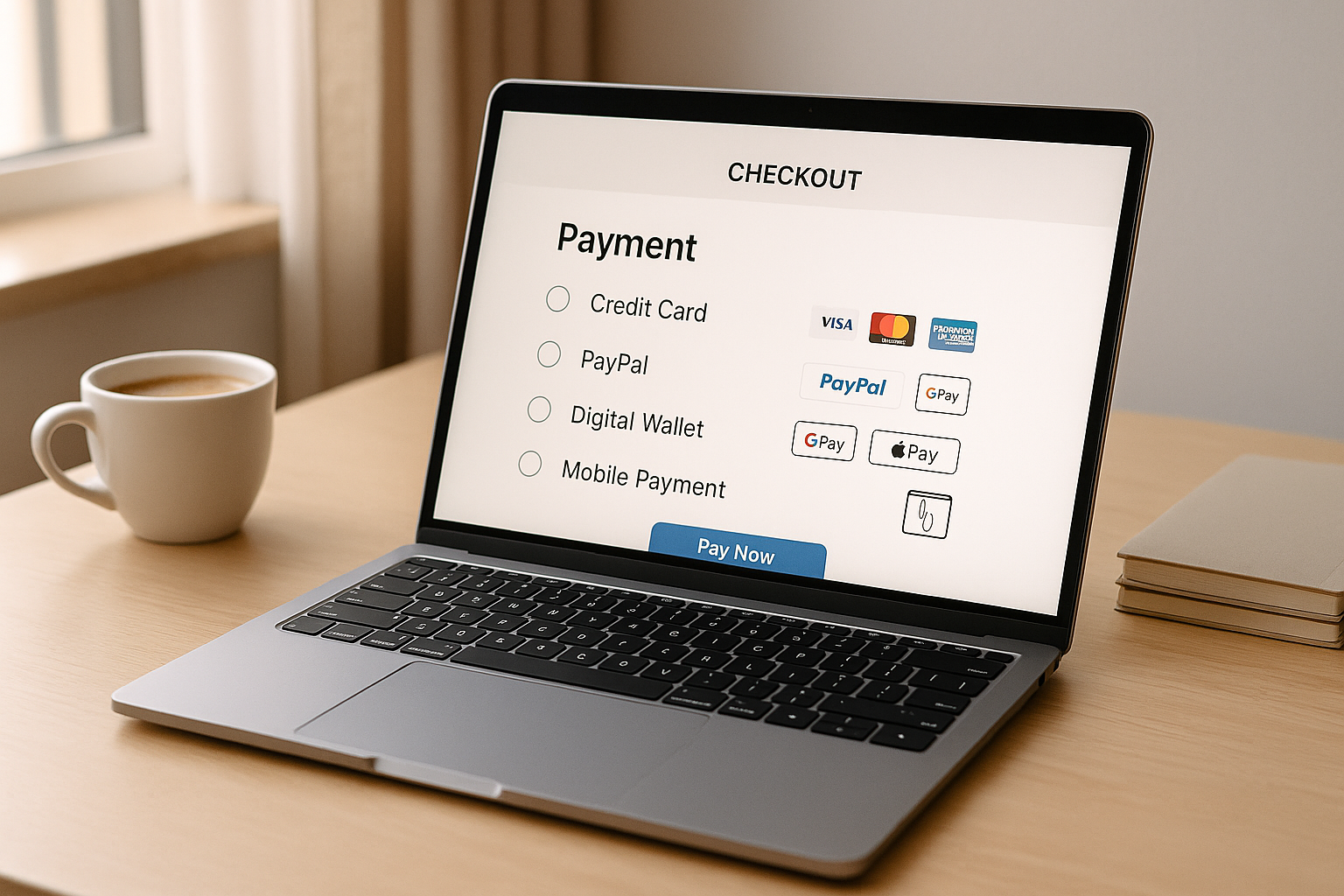
In e-commerce, payment methods play a major role in customer loyalty. A smooth, secure checkout ensures repeat business, while clunky processes drive shoppers away. Here’s what matters most:
- Frictionless Checkout: Features like one-click payments, digital wallets (e.g., Apple Pay), and guest checkout minimize cart abandonment.
- Flexible Payment Options: Younger shoppers prefer Buy Now, Pay Later (BNPL), while older generations lean toward credit cards and digital wallets.
- Unified Commerce: Syncing payment details across devices makes shopping easier and builds trust.
- Security: Advanced tools like tokenization and fraud detection protect customer data without slowing transactions.
- Instant Payments: Real-time processing reassures customers and reduces delays.
To thrive, businesses must offer diverse payment options, prioritize security, and deliver fast, simple checkouts. These strategies not only improve customer satisfaction but also encourage loyalty and repeat purchases.
Smooth Checkout Experiences: The Foundation of Retention
The checkout process can be the turning point for customer loyalty. When shoppers face hurdles like sluggish pages, confusing forms, or unexpected glitches during payment, they often abandon their carts – and may never come back. A complicated checkout is one of the top reasons for cart abandonment.
The difference between a frustrated one-time visitor and a loyal repeat customer often boils down to those final moments when they’re ready to make a purchase. If the checkout process is quick and hassle-free, customers are more likely to return, spend more on future orders, and recommend the business to others. This seamless experience lays the groundwork for unified commerce platforms that connect every customer interaction.
How Unified Commerce Platforms Work
Unified commerce platforms ensure a consistent experience across all shopping channels – whether it’s mobile, desktop, or in-store. These systems synchronize payment details, customer preferences, and order history in real time, offering a smooth, uninterrupted experience no matter how shoppers interact with the business.
For example, if a customer saves their payment information on one device, they can access it across all channels without needing to re-enter details. This eliminates unnecessary steps, reduces friction, and builds trust. Beyond customer convenience, these platforms also simplify backend operations for merchants. Payment processing, inventory management, and customer data are centralized in one system, making tasks like fulfillment faster and reducing errors. Customer service teams also benefit from full visibility into each shopper’s journey, enabling better support.
Additionally, features like "buy online, pick up in-store" and simplified return processes add another layer of convenience, further encouraging customer retention.
Key Features of Frictionless Checkout
To turn first-time buyers into loyal customers, e-commerce platforms need to break down barriers at checkout. Here are some features that help reduce friction:
- One-click payments: These allow customers to securely store their payment and shipping information after the first purchase, making future transactions quicker with auto-filled forms. This often leads to higher conversion rates.
- Digital wallets: Options like Apple Pay or Google Pay let shoppers authenticate using biometric data or device PINs instead of manually entering card details. It’s faster and feels more secure.
- Guest checkout: For first-time buyers, account creation can be a dealbreaker. Offering a guest checkout option removes this hurdle, while businesses can still encourage account creation after the purchase is complete.
- Smart autofill and validation: Autofill reduces typing errors, especially on mobile devices, while real-time validation catches mistakes as customers type, preventing the frustration of having to redo forms.
- Progress indicators and transparent pricing: Shoppers appreciate knowing where they are in the process and seeing all costs upfront, including shipping and taxes. This clarity reduces confusion and lowers abandonment rates.
- Mobile optimization: With mobile commerce growing rapidly in the U.S., checkout forms need to be designed for smaller screens. Larger buttons, simplified layouts, and features like ZIP code lookups or one-tap shipping selections make mobile shopping much easier.
A frictionless checkout isn’t just about speed – it’s about removing obstacles and creating a process that feels effortless. By prioritizing these features, businesses can turn a potentially frustrating moment into a seamless experience that keeps customers coming back.
Flexible Payment Options: Meeting Different Customer Needs
Modern shoppers expect more than just the usual credit card options. With the rise of alternative payment methods, the way customers approach online shopping has evolved. Businesses that provide a variety of payment choices can build stronger connections with their customers, encouraging loyalty and repeat purchases.
Buy Now, Pay Later (BNPL) has become especially popular with younger consumers. This option allows shoppers to divide their payments into smaller, interest-free installments, making it attractive to those who want to manage their budgets while still making key purchases.
Mobile wallets are another favorite, especially among smartphone users. These wallets combine speed and convenience with added security features like biometric authentication, making checkout fast and hassle-free.
Offering a variety of payment methods isn’t just about convenience – it’s a smart strategy for retaining customers. When shoppers have access to their preferred payment options, they’re more likely to complete their purchases and return in the future. On the flip side, limited payment choices can lead to abandoned carts and lost sales.
Payment Preferences by Age Group
Knowing how different generations prefer to pay helps businesses decide which options to prioritize. Here’s a quick breakdown:
- Generation Z (born 1997–2012): They lean heavily toward BNPL solutions, appreciating the flexibility to spread out payments.
- Millennials: Often favor a mix of traditional credit cards and digital wallets, valuing the convenience of saved payment details and strong security.
- Generation X: While they tend to stick with credit and debit cards, they’re warming up to digital wallets, especially for mobile purchases.
- Baby Boomers: Still prefer traditional methods like credit cards and bank transfers, though many have grown more comfortable with online payments over time.
These generational trends highlight the importance of offering diverse payment methods to accommodate all shoppers, regardless of age.
Using Secured Payments for Multiple Payment Solutions
To meet these varied preferences, merchants need a streamlined solution. Secured Payments’ E-Commerce Plan simplifies the process by supporting multiple payment methods through a single integration. This approach eliminates the hassle of managing separate systems while ensuring customers can pay however they prefer.
The platform also offers multi-currency support, which is a huge advantage for businesses with international customers. By letting shoppers view prices and pay in their local currency, it reduces confusion and helps increase conversion rates.
Built-in fraud detection tools provide an added layer of security, giving customers peace of mind that their payment information is safe. When shoppers feel secure, they’re more likely to try different payment options and return for future purchases.
Another benefit? The platform consolidates reporting and reconciliation. Instead of juggling data from multiple sources, merchants can access all transaction details in one place, making back-end processes much easier.
With 24/7 customer support to resolve technical issues and guaranteed lowest rates to keep costs in check, Secured Payments ensures businesses can offer flexible payment options without sacrificing margins. This combination of features not only supports customer satisfaction but also helps merchants maintain a competitive edge.
Better Security: Building Trust and Confidence
Security concerns are one of the biggest hurdles to online shopping. When customers feel uneasy about the safety of their personal and financial information, they’re far less likely to complete a purchase – or return to shop again. Strong security measures not only safeguard data but also help build trust, which encourages repeat business. Just like offering smooth payment options, implementing effective security is crucial for turning first-time shoppers into loyal customers.
Key Security Features for E-Commerce
Modern e-commerce security goes far beyond basic protections. Shoppers today expect advanced, behind-the-scenes safeguards that keep their transactions secure without adding unnecessary steps:
- Biometric Authentication: Fingerprint scanning and facial recognition provide a secure yet convenient way to confirm a user’s identity.
- Digital Identity Verification: Techniques like device fingerprinting and behavioral analysis verify users discreetly, without slowing down the process.
- Real-Time Fraud Detection: Cutting-edge tools analyze transaction behavior in real time, quickly flagging suspicious activity to prevent fraud.
- Tokenization: By replacing sensitive payment data with non-sensitive tokens, even intercepted data becomes useless to potential attackers.
- Multi-Factor Authentication: Adding an extra verification step for high-value transactions or major account changes strengthens overall security.
Secured Payments’ Security Features
Secured Payments takes these industry-standard protections a step further by integrating advanced security measures into its platform – without compromising speed. Their system continuously monitors and manages risks, ensuring transactions remain safe and customer data stays protected. Features like high-risk merchant account services address potential vulnerabilities quickly, maintaining security while preserving a smooth shopping experience. This balance of safety and efficiency helps merchants build trust and keep customers coming back.
sbb-itb-8c45743
Instant Payments and Connected Commerce: The Next Step
The way we pay is evolving rapidly, with a clear focus on speed and effortless integration across all platforms. People no longer want to wait days for payments to clear or juggle multiple devices to complete a single purchase. This shift toward instant payments and connected commerce is redefining customer loyalty, where convenience and speed are now the ultimate game-changers.
Connected commerce takes things a step further than traditional online shopping. It connects smart devices, apps, and physical stores into one seamless experience. Imagine starting a purchase on your phone, tweaking it on your laptop, and finalizing it through a smart speaker – all without a hitch. This kind of fluid interaction not only enhances the shopping experience but also keeps customers coming back. Building on trends like flexible payment options and secure transactions, connected commerce strengthens trust and loyalty by making every step as smooth as possible.
Benefits of Instant Payments
Instant payments ease customer worries by removing the delays common with traditional processing. When transactions are completed immediately, customers feel reassured about the reliability of both the merchant and the payment system. This real-time confirmation also reduces cart abandonment and creates a more enjoyable shopping experience.
Real-time updates build trust by giving customers greater control. Seeing account balances adjust instantly and receiving immediate purchase confirmations provides a sense of transparency. This openness encourages repeat business because shoppers know exactly where they stand financially.
Less friction, more satisfaction. Traditional payment methods often involve waiting for approvals, emails, or processing times. Instant payments simplify this process, completing everything in seconds. By eliminating these delays, merchants reduce the chances of customers second-guessing their purchases or abandoning their carts.
For businesses, instant payments mean quicker access to funds and less administrative hassle. Instead of waiting days for payments to settle, merchants get immediate access to their money. This faster cash flow helps them manage inventory more effectively and respond to market changes with greater agility.
Connected Commerce Implementation Tips
If you’re looking to embrace connected commerce, here are a few ways to get started:
- Focus on mobile optimization first. Most customers begin their shopping journey on mobile devices, so your payment system needs to work flawlessly on smartphones and tablets. Platforms like Secured Payments ensure a consistent experience across all screen sizes and device types.
- Add tap-to-pay options for in-store purchases. This feature bridges the gap between online and offline shopping, allowing customers to use saved payment methods from your app in your physical store. This seamless integration strengthens brand loyalty.
- Incorporate voice commerce. With the growing use of smart speakers and voice assistants, customers expect to make purchases, check orders, or reorder items via voice commands. Secured Payments supports voice-activated transactions, making it easy to tap into this expanding market.
- Create unified customer profiles. These profiles should track payment preferences across all channels. Whether customers switch devices or shopping methods, their preferred options should follow them, reducing friction and showing that their preferences matter.
- Leverage IoT for auto-replenishment. Smart devices can now reorder supplies automatically when they run low, using pre-authorized payment methods. This effortless process fosters loyalty by simplifying essential purchases.
- Test cross-device functionality often. Customers should be able to start a purchase on one device and finish it on another without losing their progress or needing to re-enter payment details.
The secret to implementing connected commerce successfully? Balancing security with convenience. Secured Payments handles the behind-the-scenes complexities of instant transactions and device continuity, ensuring a smooth and secure experience for both customers and merchants.
Practical Steps for U.S. E-Commerce Merchants
The payment world is constantly evolving, and for U.S. e-commerce merchants, staying ahead means keeping up with customer expectations. The trick is finding solutions that not only address current challenges but also scale alongside your business. By focusing on instant payments and connected commerce, you can align your systems with what U.S. consumers demand today.
Improving Payment Processes with Secured Payments
Start by reviewing your payment processes to pinpoint areas where customers drop off, transactions slow down, or complaints pile up. Secured Payments offers consulting services that help merchants uncover these issues and map out solutions tailored to both immediate needs and future growth.
As your customer base grows, multi-currency support becomes essential. Even if your business primarily operates domestically, international customers or overseas suppliers may come into play. With Secured Payments, currency conversions happen seamlessly – prices are displayed in familiar formats, and exchange rates are handled behind the scenes. This eliminates confusion and avoids the abandoned carts that often result from unexpected currency symbols or fees.
Integration capabilities are another critical factor. Instead of forcing you to overhaul your existing systems, Secured Payments works with popular e-commerce platforms, accounting tools, and inventory management software. This interconnected setup ensures data flows smoothly across systems, cutting down on manual tasks and reducing errors.
24/7 support is a game-changer when issues arise. Quick access to knowledgeable support staff means problems can be resolved swiftly, often before customers even notice. These enhancements directly build trust with shoppers, increasing loyalty and repeat purchases.
Meeting Consumer Expectations
Once your backend is running efficiently, it’s time to focus on creating a seamless experience for your customers.
Offer a variety of payment options, tailored to your audience. For younger shoppers, digital wallets and buy-now-pay-later options are often preferred. B2B customers, on the other hand, might lean toward ACH transactions or net payment terms. With Secured Payments, you can support all these methods through a single integration, making it easy to experiment and find out what drives the best results.
Mobile optimization is non-negotiable as mobile shopping continues to grow across all age groups. Design payment forms specifically for small screens, using large buttons, clear text, and minimal typing. Features like auto-fill and saved payment methods make repeat purchases effortless, which customers now expect.
Fraud detection is another must-have, but it needs to strike a balance. Advanced systems can analyze transaction history, device details, and buying patterns to flag suspicious activity. When necessary, additional verification steps can be triggered for risky transactions, while legitimate purchases proceed without interruption.
Transparent pricing is key to building trust. Show customers the full cost – including taxes and shipping – before they enter their payment details. Eliminating hidden fees and surprise charges ensures a smoother checkout experience and reduces cart abandonment.
Finally, prioritize speed and reliability throughout the payment process. Pages should load quickly, transactions should process in seconds, and confirmation messages should appear instantly. A slow or glitchy system can lead to uncertainty, duplicate orders, or abandoned carts.
Regular testing across various devices and browsers is essential. Go through the checkout process yourself using different payment methods to catch any issues before your customers do. This hands-on approach can uncover problems that automated monitoring might miss but that could significantly impact the user experience.
Conclusion: Building Loyalty Through Better Payment Solutions
In today’s e-commerce world, customer loyalty goes beyond just offering great products. It’s about creating payment experiences that are easy, secure, and personalized. Research shows that smooth payment processes not only encourage repeat business but also boost customer lifetime value.
A hassle-free checkout experience eliminates unnecessary steps and technical hiccups, making it more likely for customers to return. This is where unified commerce platforms come into play – ensuring consistent and smooth operations across all devices and channels.
Offering flexible payment options is another key factor. By supporting a variety of payment methods through a single system, businesses can simplify operations while meeting the diverse preferences of their customers.
Security is equally important. Strengthening fraud detection systems while keeping verification steps simple helps build trust without frustrating users. Customers need to feel confident that their financial information is safe.
Looking ahead, instant payments and connected commerce are shaping the future of customer expectations. Features like real-time processing, instant confirmations, and interconnected systems provide the seamless experiences today’s consumers want.
For U.S. e-commerce merchants, the challenge is to adopt payment solutions that can grow alongside their business while addressing current needs. Secured Payments offers a well-rounded approach, including multi-currency support, seamless integrations, 24/7 customer service, and advanced fraud protection. By focusing on these areas, businesses can turn payment processes into a competitive edge that strengthens customer loyalty over time.
With the right payment solutions, businesses can transform potential pain points into opportunities, ensuring a loyal customer base for the long haul.
FAQs
How do unified commerce platforms improve the shopping experience and build customer loyalty?
Unified commerce platforms make shopping easier and more enjoyable by ensuring a consistent experience across every channel. By connecting inventory, customer data, and sales information in real-time, they help businesses deliver personalized interactions that show customers they’re truly valued.
These platforms also improve efficiency by speeding up service and making transactions hassle-free, which can go a long way in building trust and satisfaction. With this integrated approach, businesses can keep up with changing customer needs while fostering loyalty through dependable and convenient service.
What essential security measures should e-commerce businesses take to protect customer data?
To protect customer data in e-commerce, businesses need to focus on a few key security measures. First, implementing SSL encryption is crucial to secure online transactions and keep sensitive information safe during transmission. Adding firewalls helps block unwanted access, creating a barrier against potential threats. Following PCI DSS standards ensures payment data is handled securely and complies with industry regulations. Regular automated security scans can catch vulnerabilities early, reducing the risk of exploitation. Lastly, enforcing strict access controls limits sensitive data access to only authorized personnel. Together, these steps not only safeguard data but also strengthen customer trust.
Why is it important to offer multiple payment options to meet the needs of different age groups?
Offering a range of payment options is crucial for meeting the varied preferences of customers from different age groups, enhancing their shopping experience. For instance, older customers often gravitate toward familiar methods like credit or debit cards, while younger shoppers are more inclined to use digital wallets or Buy Now, Pay Later (BNPL) services.
When businesses offer multiple payment methods, they can minimize checkout hurdles, appeal to a wider audience, and strengthen customer trust and loyalty. This strategy not only boosts the likelihood of repeat purchases but also ensures the payment process keeps pace with the changing needs of modern consumers.